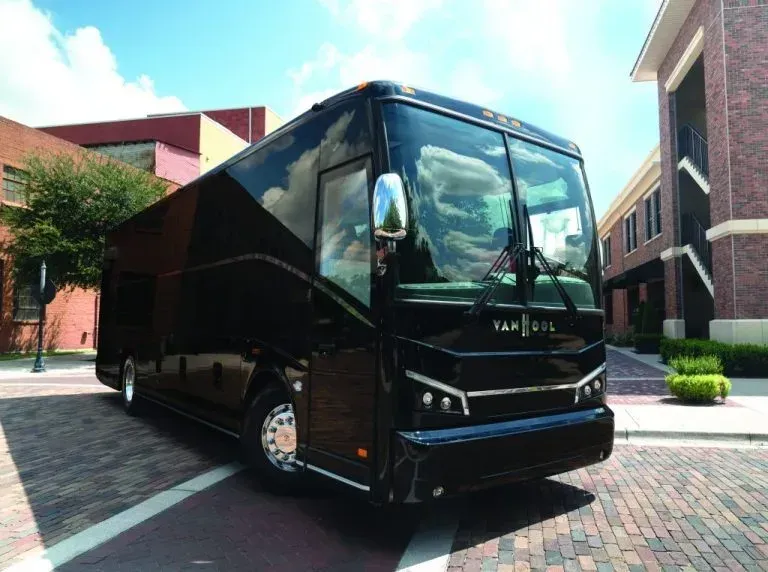
Coordinating transportation for a large group can quickly become a complex task when multiple schedules, pickup arrangements, and travel expectations are involved. Whether the occasion is a professional meeting, family event, social outing, or special gathering, coordinating punctual arrivals requires thoughtful organization. A structured transportation strategy helps reduce uncertainty, avoid delays, and enhance the overall experience for all travelers. Through understanding the fundamental components of transportation coordination, planners can ensure a seamless journey from beginning to completion.
When numerous travelers journey together, transportation extends beyond basic passenger movement between locations. It plays a valuable role in shaping the complete event experience. Well-managed coordination assists with maintaining schedules, encouraging communication, and creating a more pleasant travel experience. At A1 Quality Express Limousine, we recognize the value of providing structured transportation solutions that allow groups to travel comfortably and confidently.
Plan Transportation Ahead of Time
Successful group transportation begins with early preparation. Late planning can reduce transportation choices and make it more difficult to satisfy group requirements. Coordinators should initially determine the number of travelers, key travel dates, departure estimates, and destination expectations. Early information gathering lays the groundwork for transportation arrangements that complement the event timeline.
Early preparation helps organizers identify possible challenges before they create disruptions. Various factors, including traffic patterns, pickup arrangements, accessibility requirements, and event schedules, may influence transportation decisions. By addressing these details ahead of time, organizers can develop a transportation strategy that keeps the group moving efficiently. Thorough preparation often results in smoother travel experiences and fewer unexpected disruptions.
Evaluate Group Size and Travel Requirements
One of the primary aspects of group transportation planning is determining passenger numbers and specific requirements. Accurate passenger counts help ensure the appropriate vehicles are selected and prevent overcrowding or underutilized transportation resources. Coordinators should establish participant counts promptly and keep them updated throughout the planning process.
Beyond passenger numbers, it is important to consider individual needs within the group. Travelers may have varying requirements, including extra luggage space or specialized support services. Understanding these details allows transportation arrangements to be customized accordingly. Investing time in collecting detailed information helps support a smoother and more comfortable journey for everyone involved.
Build a Structured Transportation Schedule
A well-defined transportation schedule functions as a guide for the whole group. Organizers should clearly list departure times, pickup locations, journey durations, arrival objectives, and planned route stops. A precise itinerary reduces ambiguity and helps every participant stay informed about their responsibilities. Strong consistency and clear planning are vital when organizing transportation for bigger groups.
Communication plays a significant role in making schedules effective. All passengers should be provided with transportation information prior to the event. Sharing travel details through various platforms helps keep everyone aligned. When passengers understand expectations, operations typically run without disruption.
Designate Centralized Gathering Locations
Working with many pickup locations can introduce avoidable challenges in coordination. Organizers should prioritize centralized locations whenever practical for easier coordination. Unified gathering points improve boarding efficiency and reduce unnecessary delays. It simplifies communication processes and boosts overall coordination effectiveness.
These locations simplify passenger tracking before the journey begins. Group coordinators can confirm attendance, provide updates, and address concerns before departure. This method supports preparedness and keeps transportation operations on track. Clear designated points strongly support a coordinated travel process.
Maintain Strong Communication Throughout Coordination
Reliable communication is essential for successful transportation management. Participants must be kept informed of schedules, instructions, and any adjustments. Providing precise details helps avoid confusion and improves readiness. Strong communication supports both efficiency and passenger satisfaction.
Organizers should ensure reliable systems for distributing information before and during travel. Group messaging systems, email notifications, and designated contact persons can help ensure information reaches all participants quickly. At the center of every successful plan, communication ensures consistency and awareness. Regular updates help maintain trust and reduce interruptions during travel.
Prepare for Sudden Changes
Even the most organized transportation plans can experience surprises. Weather issues, traffic delays, schedule changes, and participant lateness may require fast decisions. Adding flexibility to plans helps coordinators respond efficiently to unexpected issues. Proper preparation helps maintain stability despite evolving circumstances.
Contingency strategies should include backup plans, route alternatives, and key decision contacts. Prepared systems help reduce stress and maintain order during disruptions. Anticipatory planning keeps operations effective even when changes occur.
Put Passenger Comfort and Convenience First
Passenger comfort plays a significant role in the overall transportation experience. Large groups often spend extended periods traveling together, making convenience and comfort important considerations. Proper seating arrangements and organized boarding improve the overall journey atmosphere. Passenger comfort increases enjoyment and readiness upon arrival.
Convenience is an important factor in smooth transportation management. Streamlined boarding, clear guidance, and structured timing minimize issues for travelers. When transportation is thoughtfully organized, travelers can focus on enjoying the event rather than worrying about logistics. Comfortable and convenient travel contributes to a more successful occasion.
Partner with Skilled Transportation Experts
Handling group transportation requires managing many elements, making expert support important. Experienced providers know how to manage timing, passenger coordination, and operational efficiency. Their expertise can get more info help organizers navigate complex logistics while ensuring transportation plans remain organized and reliable.
Professional transportation teams often bring valuable insights that improve overall coordination. Familiarity with large-group travel allows professionals to foresee challenges and offer guidance. Professional assistance enables organizers to focus on the occasion while transport is handled efficiently.
Make Group Transportation Part of the Event Experience
Transportation should be considered part of the event rather than just a way to travel. Coordinated travel allows guests to start experiencing the event early. Well-managed transport enhances the event atmosphere and experience.
At A1 Quality Express Limousine, we understand that successful transportation relies on planning, communication, and customer care. Group transportation becomes manageable when structured methods are followed. Strong organization and preparation create smooth journeys that support event success. We are proud to provide seamless travel experiences that give passengers confidence and ease.